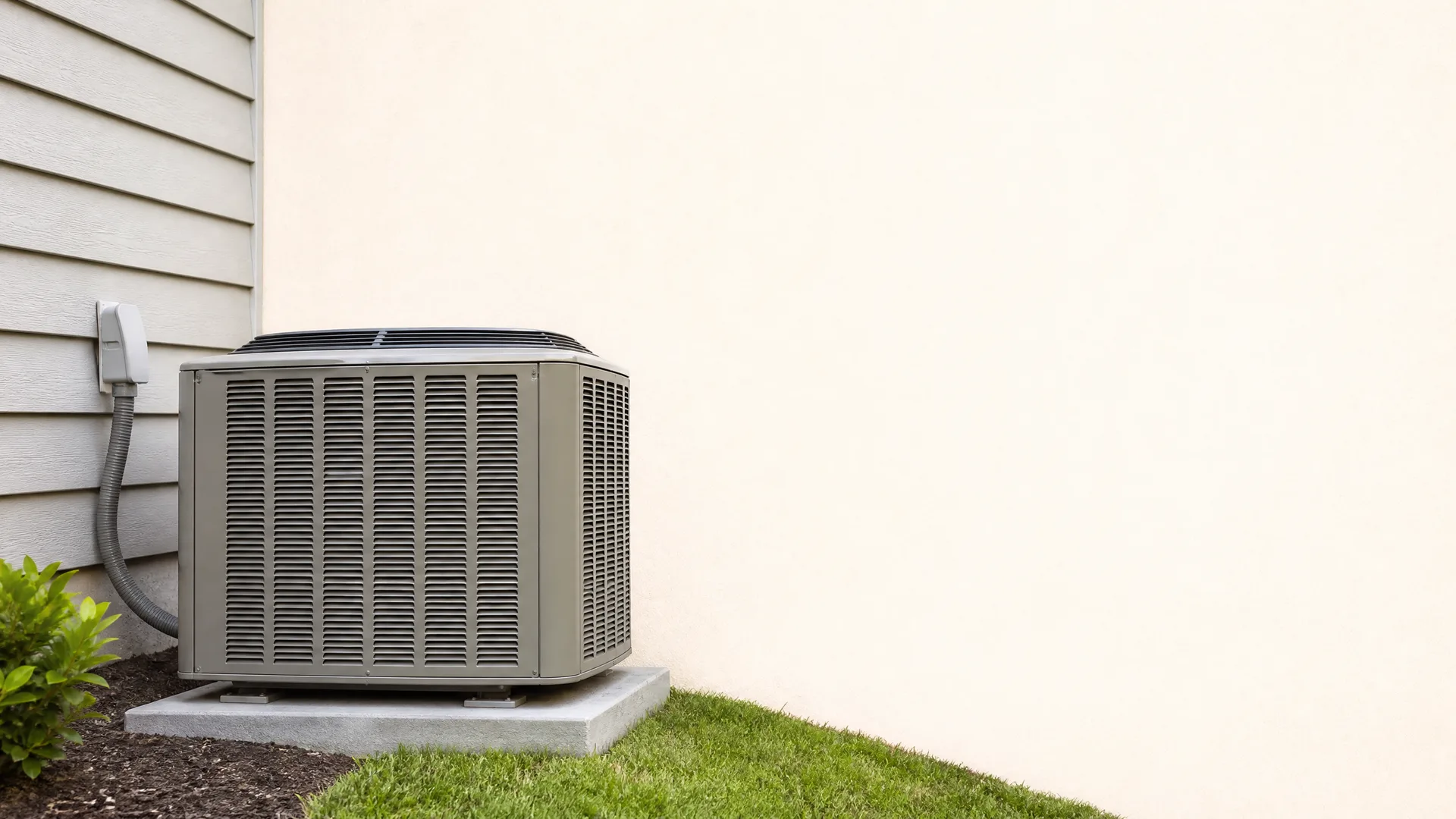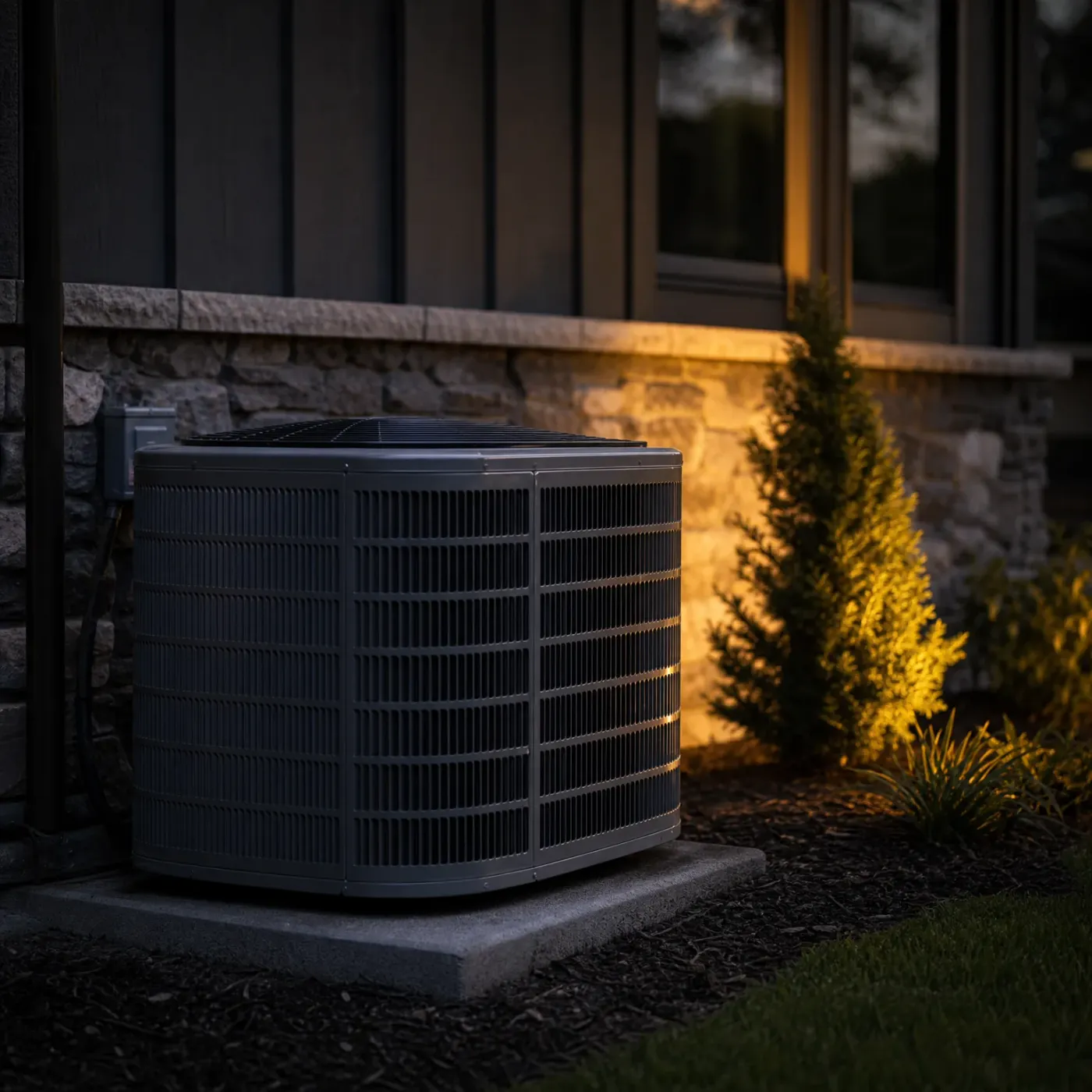

An outdoor air conditioning condenser unit on a concrete pad beside a house with stone veneer and vertical board siding, with a small shrub and mulch bed lit by a ground light at dusk.

Matched to your air conditioner job

Why your AC can't keep up on hot Colorado days

Your AC runs most of the day and the house still sits at 78. That usually comes down to the heat load on a dry Colorado afternoon outrunning what your system can push, or a unit that's already lost some capacity. This page gets into what causes it and what a local contractor would check first. Answer it, then get matched with one who works on this equipment all summer.

Find an air conditioner pro

Your AC is sized for a certain heat load, and on a dry Colorado afternoon with the sun straight on the roof and the temperature past 95, that load goes well past what the unit was built to handle. Dry air makes it worse, not better, because low humidity lets the sun heat the house faster than it would somewhere muggy. The system runs flat out and still loses ground. Add a dirty filter, a low refrigerant charge, or a condenser coil caked with cottonwood seed and dust, and the same unit that handled last July struggles this one. None of that means the system is finished. It means it's working against a bigger load with less capacity than it had, and on the hottest days that gap shows up as a house that never quite gets to the temperature on the thermostat.

A gray outdoor air conditioning condenser unit sits on a concrete pad beside a house with horizontal siding, connected by insulated lines to a wall-mounted disconnect box, with a shrub and gravel bed to the right.

Running as it should

A clean condenser pulls outside air through the coil fins and sends heat off the property without a fight. The fins stay clear, the lines run cool to the touch, and the unit cycles the way it was built to on a 95 degree day. This is what lets the system keep pace when the load is highest.


An outdoor air conditioning condenser unit sits on a concrete pad beside a house with horizontal vinyl siding, with a gray electrical disconnect box and insulated refrigerant line on the wall above, surrounded by bare mulched ground.

Losing ground

Dirt packed into the coil fins acts like a blanket over the unit, so it can't shed heat as fast as the house is gaining it. The compressor runs longer to do the same job, and on the hottest afternoons it starts losing the race. A tech can tell how much capacity that buildup has cost.

Why does my AC struggle more once it's over 95 outside?

Why does my AC struggle more once it's over 95 outside?

Because the gap between inside and outside air gets harder to close

A central AC doesn't make cold air. It moves heat out of your house and dumps it outside through the condenser coil. That only works if the outside air is cooler than the refrigerant running through the coil. Once the temperature outside climbs past 95, the gap between the air around the condenser and the air inside your house shrinks, so the system has to run longer to move the same amount of heat. Your Colorado afternoons that hit the upper 90s push that gap to its limit. A unit that keeps up fine at 85 degrees can fall behind at 97, even with nothing wrong with it. If it's already lost some capacity, a dirty coil, a low charge, a weak capacitor, that same afternoon is when it shows.

A gray outdoor air conditioning condenser unit on a concrete pad beside a house with horizontal vinyl siding, a brick foundation, downspout, electrical disconnect box, mulch bed and a green shrub.

Doing its job

This condenser sits clear of the shrub next to it, fins open to the air. On a hot, dry Colorado afternoon it can still pull outside air through the coil and send that heat off the property, so the unit cycles off instead of running straight through.

An outdoor air conditioning condenser unit with a dirty mesh coil guard sits on a concrete pad beside a house with horizontal lap siding, a wall vent, and conduit running to an electrical disconnect box.

Losing the fight

The grille and fins on this one are packed with dirt. Air can't move through a coil like that, so the unit holds onto heat instead of shedding it. On a 95 degree day it runs longer, pulls harder, and still loses ground to the house.

Is your AC running nonstop but the house still feels warm?

You hear the outdoor unit running when you leave for work and it's still running when you get home. The thermostat says 76 or 78 and won't move. Upstairs rooms run warmer than the rest of the house. The air coming out of the vents feels cool but not cold the way it used to. You might notice the power bill climbing faster than the temperature does. On its own, a long runtime on a hot Colorado afternoon isn't a problem. But if the house never catches up, or if this is new compared to past summers, something is cutting into the system's capacity, and leaving it alone usually means the same unit working harder each year to do less.

An outdoor air conditioning condenser unit on a concrete pad at the corner of a house, next to vinyl siding and a plain light-colored wall, with grass and a mulch bed in the foreground.

What a dry climate does to the coil

Colorado's dry air helps sweat evaporate off your skin fast, which is why shade feels cooler here than it does somewhere humid. A condenser coil doesn't get that benefit. It sheds heat by blowing outside air across metal fins, and when that air is already pushing past 95, there's less room between the air temperature and the refrigerant temperature for heat to move. The compressor has to run longer to push the same amount of heat out, because the air around it isn't doing any of the work for it.

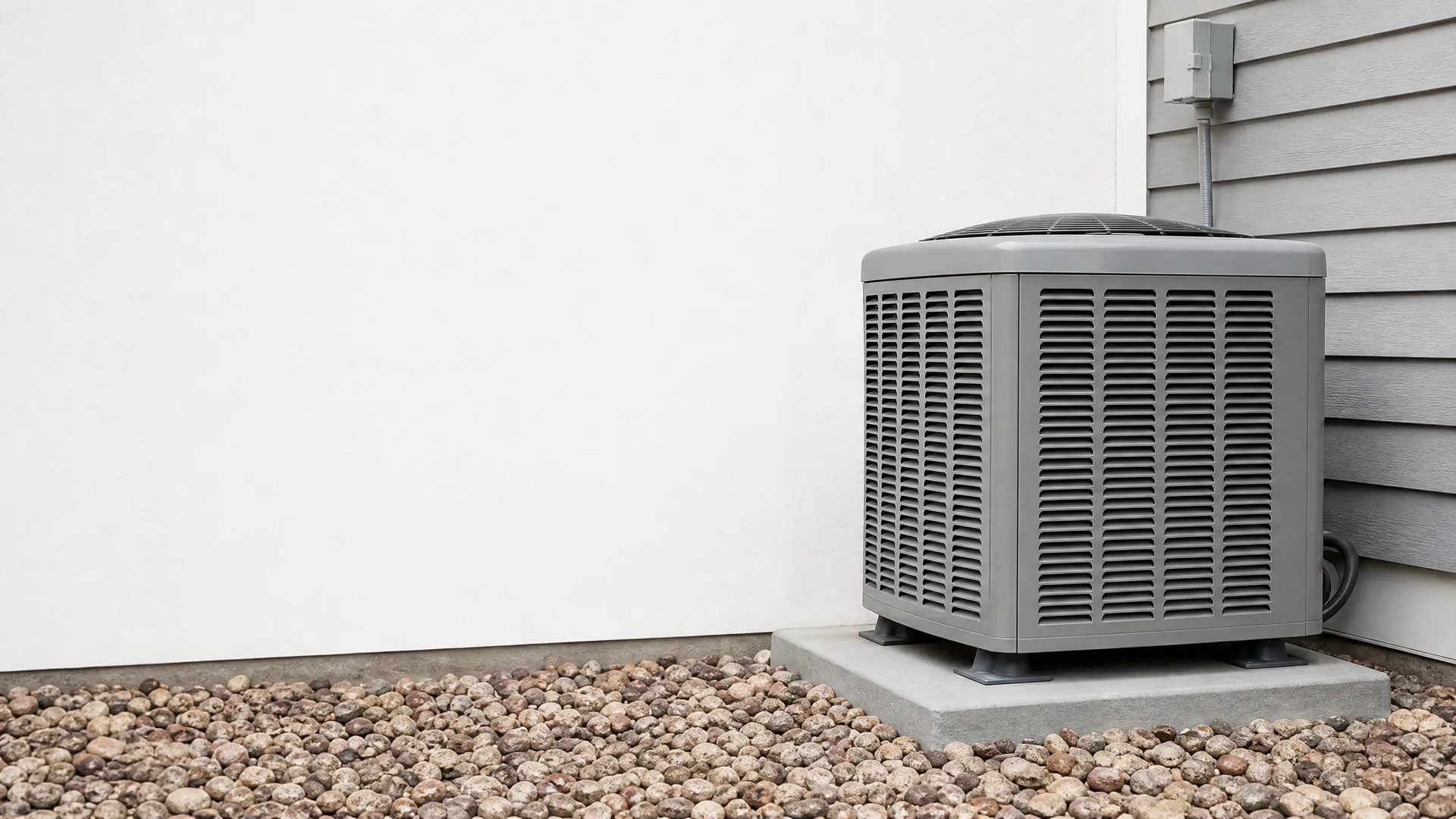
A gray outdoor air conditioning condenser unit sits on a concrete pad beside a white stucco wall and gray horizontal siding, surrounded by rounded landscaping gravel, with an electrical disconnect box mounted on the siding above.

Altitude thins the air it breathes

Most of Colorado sits at an elevation where the air itself is thinner than what a central AC was engineered around. Thinner air carries less mass across the condenser fan and the evaporator blower for the same volume moved, so both sides of the system are working with a lighter load of air per cycle. A unit sized at sea level ratings loses some of that margin here before it ever sees a 95 degree afternoon, which is one more reason the same system runs longer in Denver than it would in Kansas.

Power costs 15.69 cents per kilowatt-hour statewide

At that rate, an AC straining to hit 78 on a 95 degree day costs more to run than one that's cycling off like it should. A failing capacitor or a dirty coil can push the unit to draw power for hours longer than it needs to, and you'll see it on the bill before you see it anywhere else.

EIA-861 2025 statewide residential average

You can wait and see if it keeps up as the heat climbs through July and August, running the thermostat a degree or two higher to take some load off the unit.

Or you can have someone who works on these systems every summer look at it now, find what's actually costing it capacity, and get it fixed before the hottest days hit.

A gray-haired man in a dark sweater sits on a light gray sofa in a living room, looking toward a sunlit window with trees outside.
A gray-haired man in a dark blue sweater sits on a light gray sofa in a sunlit living room, looking off to the side, with a potted plant, shelving unit, and large glass doors behind him.
A bearded man with graying hair in a dark green sweater sits on a sofa in a living room, looking off to the side, with a sliding glass door and a dim kitchen doorway behind him.
A gray-haired man in a dark knit sweater sits on a light gray sofa in a living room, looking toward a sunlit window, with houseplants, a lamp, and framed art in the background.
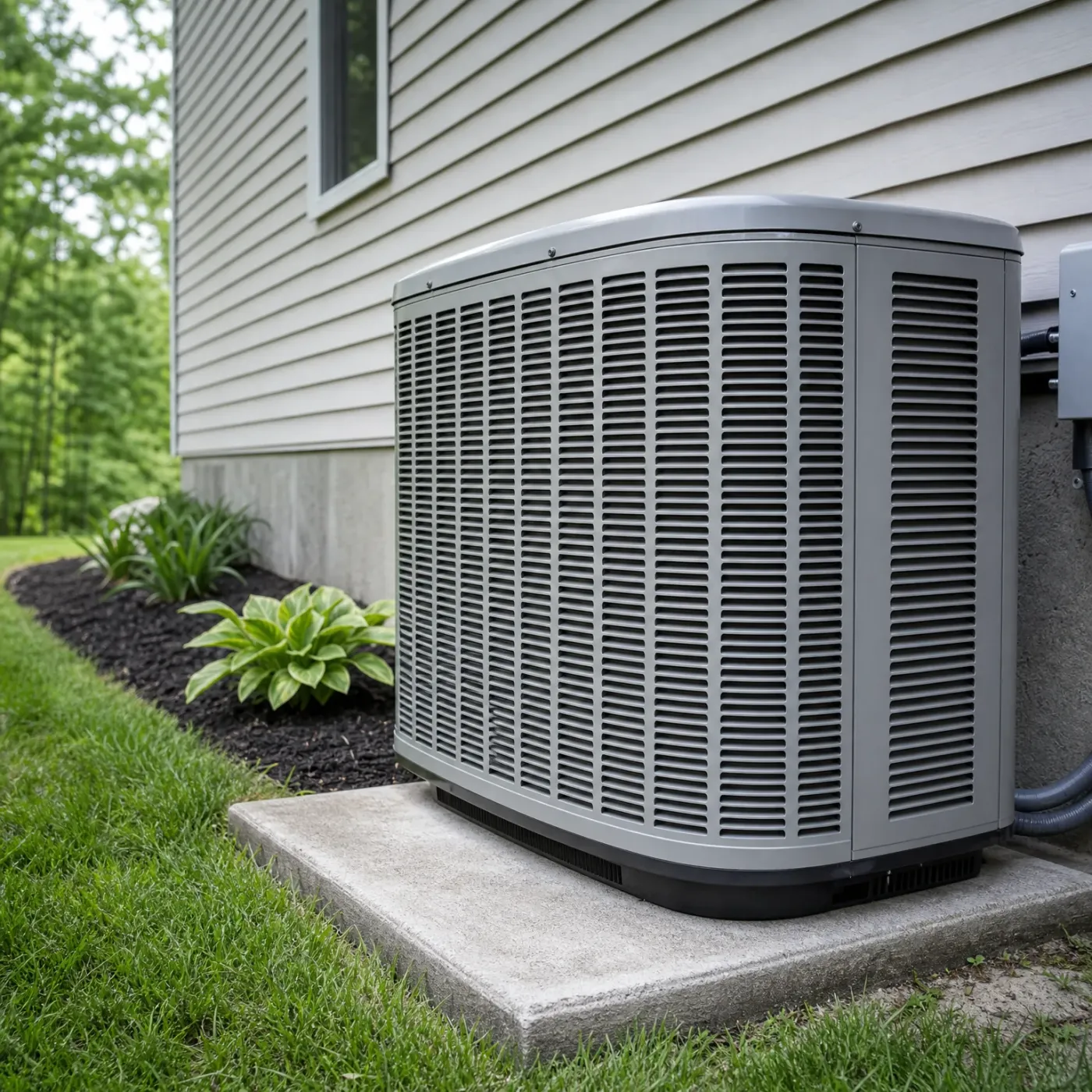
A gray outdoor air conditioning condenser unit on a concrete pad beside a house with light horizontal siding, with a mulched planting bed and lawn to the left.

An air conditioner pro near you

Your request goes to one pro, not a list of companies.

Tell a local repair pro what your air conditioner is doing.

Find a licensed air conditioner pro

Asking costs nothing, and the choice to hire stays yours.

An outdoor air conditioning condenser unit on a concrete pad beside a house with horizontal lap siding, with a gray electrical disconnect box and conduit on the wall, mulch bed and shrub to the right, and mown grass in the foreground.
The disconnect box sits clean on the wall and the coil fins behind the condenser are open, so the unit sheds heat as fast as a 95 degree day asks of it.
An outdoor air conditioning condenser unit on a concrete pad beside a house with light blue horizontal siding, with a shrub to the left and a conduit and disconnect box on the wall to the right.
Dust packed into the coil fins blocks the airflow the unit needs to dump heat, so it runs longer and still loses ground on the hottest days.

Ride It Out or Get It Checked

Wait it out

  • You keep bumping the thermostat up a degree or two to take some load off the unit through the worst of July and August.
  • If the problem is just heat load on a 100 degree day, the system may catch up once it cools off at night.
  • A unit that's low on refrigerant or has a dirty coil keeps running long hours in the meantime, and that shows up on the power bill before anything else does.
  • If what's actually wrong is a failing capacitor or a blocked coil, waiting doesn't fix it, and the strain on the compressor keeps adding up.
  • You lose nothing by watching how it performs over the next few hot days if it's been running fine until now.

Have it looked at now

  • Someone who services AC systems in Colorado every summer knows what usually fails first when a unit can't keep up on a dry, hot afternoon.
  • A gauge reading on the refrigerant charge or a look at the capacitor tells you in minutes what guessing from the thermostat can't.
  • If the coil's packed with dust or the fins are blocked, that's a fix, not a reason to run the system harder.
  • You get matched with one local, licensed contractor for your situation, not a handful of companies calling about the same job.
  • Finding the actual cause now means the unit isn't working harder than it has to through the rest of the summer.
  1. Your thermostat calls for cooling and switches on the indoor blower

  2. Refrigerant inside the indoor coil pulls heat and moisture out of the air moving over it

  3. The compressor outside pressurizes that refrigerant so it can shed its heat

  4. The condenser fan pulls outside air across the coil to carry that heat off the property

An outdoor air conditioner condenser unit on a concrete pad beside a house with light gray horizontal siding, with mulch and green shrubs on either side and a concrete walkway in the foreground.
Before you get your air conditioner repair
A gray outdoor air conditioning condenser unit on a concrete pad beside a house with horizontal siding and a stone veneer base, with refrigerant line and electrical disconnect box on the wall and flowering shrubs to the left.
After you get your air conditioner repair
A two-story house with light beige horizontal siding, a gabled roof, a small covered front porch with dark door, and shrubs along the foundation, set behind a mown lawn and wet sidewalk with large leafy trees on both sides.

Colorado's summer air is dry, but it's not bone dry. Averaged across June, July and August, the dew point here runs 42°F, based on NOAA climate data for the state. That's enough moisture that your AC still has to pull some of it out of the air as it cools, on top of fighting the heat itself. On a mild day that's no trouble. On a dry 95 degree afternoon with full sun on the roof, it's one more job stacked on a unit that's already working near its limit, and it's part of why the house can still feel warm even with the system running most of the day.

NASA POWER T2MDEW county cells weighted by homes

A middle-aged woman with shoulder-length dark hair, wearing a gray cardigan over a cream top, sits in an upholstered armchair and looks toward a sunlit window, with a shelf holding framed pictures and a plant behind her.
A woman and a child wrapped together in a knitted gray blanket on a couch, with the child's head resting on her shoulder and a lit table lamp and houseplant in the background.

What's actually behind it

  • A 95 degree dry afternoon asks more of your AC than it was built to handle, and that's a load problem, not always a broken one.
  • A dirty coil, a weak capacitor or a low refrigerant charge turns that heat load problem into hours of extra runtime you can see on your bill.
  • A local contractor who works on Colorado systems all summer knows which of those it usually is before they even open the panel.
  • You get matched with one licensed contractor, not a handful of companies calling you back at once.
  • Waiting until August to find out which one it is only costs you more days of a house stuck at 78.
  • Once you know whether it's heat load or a failing part, you know whether to adjust or to fix something.

A house stuck at 78 on a hot Colorado afternoon usually has one of two explanations. Either the heat load that day is more than your system was sized for, or something in the unit, the coil, the capacitor, the refrigerant charge, has already lost it some capacity and made an ordinary hot day feel worse. Both produce the same thing from inside the house: the AC running long and the temperature not moving. You can't tell which one you have by listening to it run or watching the thermostat. Someone who works on these systems every Colorado summer can usually tell within minutes of opening the panel, because they've already seen what August does to coils and capacitors around here and know which failures show up first.

That's the value of getting a local contractor on it rather than guessing through July. You're matched with one licensed contractor, someone who services this equipment in this climate as routine work, not a list of companies competing to call you back first. They look at the coil, check the charge, test the capacitor, and tell you straight whether your system is working harder than it should because of the heat outside or because something inside it needs attention.

Either answer is useful. If it's heat load, you'll know adjusting the thermostat or the schedule is a reasonable response. If it's a part giving out, you'll know fixing it is what gets the house back to 78 and keeps it there. What you don't get by waiting is more days of guessing while the bill climbs.

A single-story stucco house at dusk with a lit paver walkway lined by low path lights, desert plants and boulders in front, and distant mountains under an orange and blue sky.

Air Conditioner Repair

A local pro for your air conditioner repair

Step 1 of 3: Equipment
  • A beige upholstered armchair with an olive cushion sits in a sunlit corner beside a wooden side table holding a ceramic vase with leafy branches, under a framed abstract artwork, on a woven rug over a wood floor.
    • Describe your air conditioner job, and a local pro who handles it gets in touch.
    • Say what's going on with your air conditioner, and a pro who works on them reaches out.
  • A gray outdoor condenser unit on a concrete pad surrounded by dark gravel, beside a dark wood-sided wall with an electrical disconnect box and a stone veneer wall with a small evergreen shrub.
    • Send the request and finding a pro stops being your problem.
    • After this form, you can stop searching for an air conditioner pro.
  • A beige upholstered oversized armchair with a matching cushion and a knit throw draped over one arm, beside a round wooden side table holding a vase of greenery near a curtained window, with a framed landscape print on the wall and a woven rug on a wood floor.
    • Explain the job once and skip repeating it on every call.
    • Skip searching for an air conditioner pro and answer a few questions instead.
  • Sunlit living room corner with a beige upholstered sofa, cushion and knitted throw, a round wooden side table holding a white ceramic vase of leafy branches and a small wooden bowl, a framed landscape painting on the wall, and a window at right.
    • Only one pro gets your request, so you hear from one company.
    • Your request stays with one local pro.