




Colorado AC Install

How long an AC should run on a hot Colorado day

A local pro who services air conditioners gets in touch about the tune-up.

Request a pro

On a hot, dry Colorado day, your AC should run long stretches, sometimes close to nonstop when it's over 95 outside, and that is normal, not a sign of trouble. Colorado's dry heat means the air conditioner spends most of its effort just moving heat out of the house, since there's little humidity for it to wring out along the way. A system sized right for your house will still cycle, slowing down and shutting off for a while as the house cools, then starting again as it warms back up. What matters more than runtime on any one afternoon is whether it keeps the house at the temperature you set it to. If it runs all day and the house still won't cool down, or it short cycles, turning on and off every few minutes, that points to a problem with the system itself, not the weather. Regular maintenance keeps the system running the way it should through the hottest stretch of summer.

A gray outdoor air conditioner condenser unit on a concrete pad beside a house corner with lap siding and a stucco wall, surrounded by mown green grass.

Why dry heat changes the math

Colorado's low humidity means the air coming off your coil is already drier than most places, so the system isn't working to wring moisture out of the air the way it would in a muggy climate. Nearly all the run time goes toward dropping the temperature itself. That's why a unit can run for long stretches on a 95 degree day in Denver and still be working exactly as it should, with nothing wrong inside the cabinet.

An outdoor air conditioning condenser unit on a concrete pad beside a house with light stucco and lap siding, with mown grass to the left and a green shrub to the right.

What a short cycle usually means

A healthy central air conditioner on a hot afternoon should run in long stretches, not quick bursts that shut off after a few minutes. If yours is kicking on and off repeatedly instead of settling into a steady run, that's usually the thing worth having a contractor look at, not the long run time itself. A dirty coil, a low charge, or a thermostat placed somewhere it reads the room wrong can all cause that pattern.

A man in a dark blue shirt stands in an open front doorway of a stucco and wood-clad house, facing a blond woman seen from behind in the foreground on a stone walkway.

What long run times mean for your house

If your AC runs most of the afternoon and the house still holds near 75, it's doing its job. Watch for the other case: it runs that long and you're still at 80, or one room stays warm while the rest of the house cools fine. That's a sign the system is losing the fight, not just working hard. On a dry Colorado day the difference between the two shows up fast, because the equipment has less margin to begin with.

A system that's been checked for refrigerant charge and a clean coil going into summer holds that long run time without strain. One that hasn't can run just as long and still fall behind, and you end up paying for the hours without getting the cooling. If you want someone to look at where your system stands before the next hot stretch, you can get matched with a contractor who takes it from there, so you're not the one calling around and explaining the same thing twice.

Interior corner of a dining room with a round wooden table, a ceramic vase holding olive branches, a dark spindle-back chair near a curtained window, and a sideboard with a lamp against beige walls.
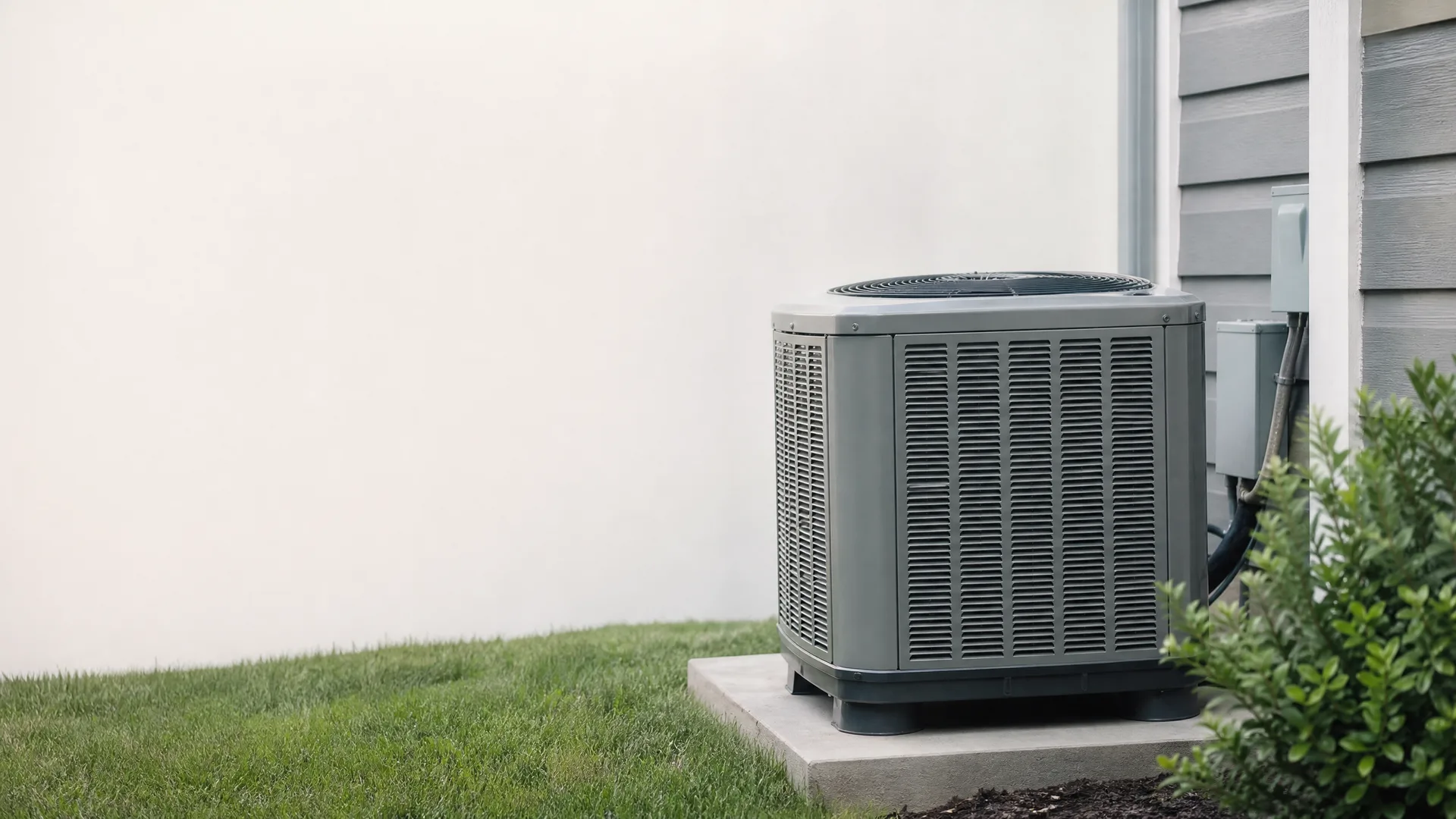
An outdoor air conditioning condenser unit on a concrete pad beside a house with white horizontal lap siding, with an electrical disconnect box and insulated refrigerant line on the wall and a shrub over mulch to the right.

Running long, cooling fine

This is the system at the end of a normal run. The condenser has been cycling for hours on a hot afternoon, and the house is holding its temperature. Nothing here needs attention beyond what's already scheduled. Long run time on its own isn't a complaint, it's just what a dry Colorado summer asks of the unit.


An outdoor air conditioner condenser unit on a concrete pad beside a house with light horizontal lap siding, with an electrical disconnect box and conduit on the wall behind it.

Running long, losing ground

Same long run time, but the unit is older and it's been outside through a lot of summers. If yours looks like this and the house still isn't cooling down, or one part of it stays warm, the coil or the refrigerant charge may not be keeping up anymore. That's worth having a contractor look at before the next heat wave.

An older man with gray hair and a beard, wearing a dark coat dusted with snow, stands smiling in a doorway of a warmly lit home with a sofa, lamp and window visible behind him.
An older man with grey hair and a beard, wearing a dark coat dusted with snow, stands in a dimly lit entryway with a ceiling lamp, a side table with two shaded lamps, and a lit fireplace visible in a room beyond.
A bearded older man in a dark snow-dusted coat and scarf stands just inside a home's front door, with a lamp-lit room and snowy window visible behind him.
An older man with gray hair and a beard stands in a doorway of a home, wearing a dark coat dusted with snow, with a lit fireplace and lamp visible in the blurred room behind him.

A local pro for your air conditioner maintenance

Skip calling around to set up an air conditioner tune-up.

Sending the form costs nothing.

Running long but still behind

Your AC has been on since noon and the thermostat still reads 80. That's not a dry-heat quirk, that's a system that can't keep up. Could be low refrigerant, a dirty coil, or a unit that was always a size too small for the house. Either way, long run time was supposed to buy you a cool house by evening, and it isn't. A contractor can check the charge and the airflow and tell you which it is, instead of you guessing through another hot week.

Short cycles, never settling

Some days the AC kicks on, runs ten minutes, shuts off, and starts again a few minutes later. That's not the long steady run a 95-degree day calls for. Short cycling like that wears on the compressor and usually points to a thermostat problem, a clogged filter, or a unit that's oversized for the space. It's a different problem from one that just runs long, and it's worth having someone look at it before the heat of July makes it worse.

An outdoor air conditioning condenser unit on a concrete pad beside a house with white horizontal vinyl siding, with a gray electrical disconnect box and refrigerant lines on the wall behind it.
Before you get your air conditioner maintenance
A gray outdoor air conditioner condenser unit on a concrete pad beside a house with white horizontal siding and a brick foundation, with a wall-mounted disconnect box and conduit, and a green shrub with mulch at left.
After you get your air conditioner maintenance

A system that's kept up

A maintained AC can hold long run times without losing ground. The coil stays clean enough to transfer heat the way it's supposed to, the refrigerant charge stays where it should be, and the contactor and capacitor get checked before they're the reason the compressor won't start. On a 98 degree day, that system runs long because the heat outside is real, not because something inside it is struggling. You'll see the same long stretches either way. The difference is whether the house keeps up with it.

A system left alone

Skip maintenance long enough and the same long run time starts to mean something else. A coil with a season of dust on it can't move heat as well, so the system runs the same hours and falls behind anyway. A capacitor that's been weakening quietly can finally give out on the one day you need the compressor most. None of this shows up until the heat is on and the system is already working its hardest. Finding it then means a hot house and a wait, instead of a problem caught on a service call.

A woman wrapped in a thick cream knit blanket sits in an armchair beside a lit table lamp, with an open book in the foreground and a frost-covered window behind her.
A bearded man in a plaid flannel shirt stands indoors looking out a frost-covered window, with a steaming dark blue mug on the wooden sill and snow-covered trees outside.

Power costs 15.69 cents per kilowatt-hour statewide

At 15.69 cents per kilowatt-hour, every extra hour your AC runs on a hot day shows up on the bill. A unit that's slipped out of tune pulls more power to do the same job, so those long runs cost you more than they should.

EIA-861 2025 statewide residential average

Long Run Times, Explained

  • A long run time on a 95 degree day is normal for Colorado's dry heat, not a sign your AC is struggling.
  • The test that matters is the thermostat: if it holds near 75 while the system runs, it's working as it should.
  • A system that runs long and still can't hold temperature points to low refrigerant, a dirty coil, or a unit that's undersized.
  • Maintenance keeps run times from creeping longer year over year, since a clean coil and correct charge move heat the way the system was built to.
  • Skipping maintenance means finding that out the hard way, mid-heat-wave, when the system falls behind and the house won't cool.
  • Instead of calling around and re-explaining the same problem to several contractors, you can get matched with one who already knows what long Colorado run times mean.

So here's where that leaves you. On a hot, dry Colorado afternoon, a long run time by itself doesn't mean anything is wrong. What tells you something is whether the house actually cools. Hold near 75 while the system runs most of the day and it's doing exactly what it should. Stay stuck at 80 with the AC on since noon and you've got a real problem, not a quirk of the climate.

That difference comes down to whether the system is still moving heat the way it was built to. A clean coil and a correct refrigerant charge do that job efficiently. A dirty coil, a weak charge, or a unit that was undersized from the start will run just as long, or longer, and still lose ground. Maintenance is what keeps a system on the right side of that line. Without it, run times tend to creep longer year over year, and the first sign of trouble is often the house not cooling during the worst heat of the summer, which is the worst time to discover it.

If you're at the point of wanting someone to look at it, you already know the alternative: calling a handful of contractors, explaining the same symptoms to each one, waiting on quotes, and trying to judge which one actually understands what a long run time means in a dry climate versus a humid one. Getting matched with a contractor who already has that context skips that part. You still get a system looked at and worked on. You just don't have to do the legwork of finding who does that first.

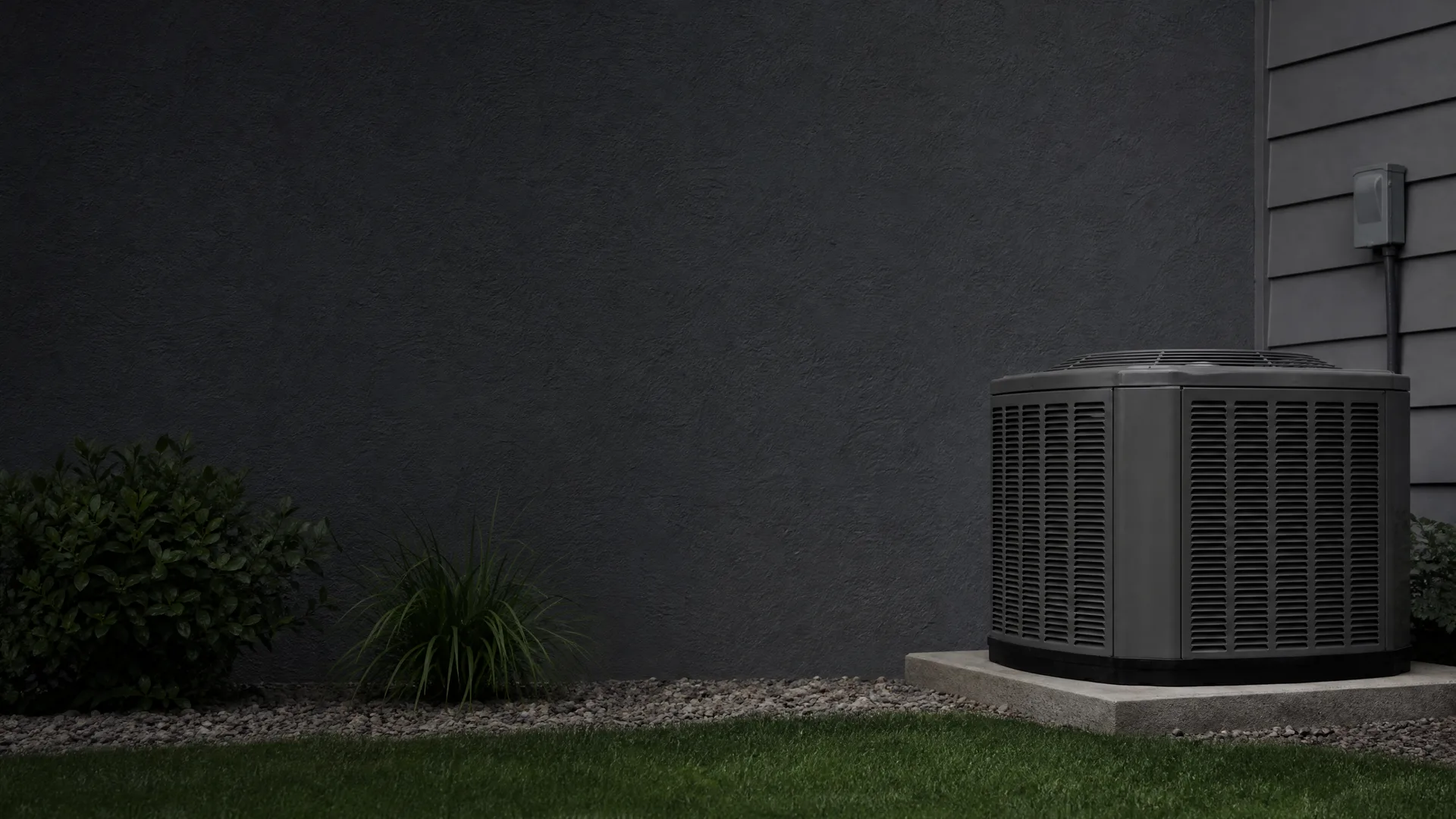
An outdoor air conditioning condenser unit on a concrete pad beside a dark stucco wall, with gravel bedding, shrubs, an ornamental grass clump, and a lawn in the foreground.

Get the right pro for your air conditioner

One form instead of hunting for a pro who does air conditioner tune-ups.

Step 1 of 3: Equipment