A local installer who puts in air conditioners gets your project.
Colorado air is dry most of the year, and that changes the dehumidifier question compared to someone asking the same thing in a humid state. Your air conditioner already pulls moisture out of the air as it cools, and with low humidity to start, most homes here don't need a separate dehumidifier running alongside the AC.
That's not the same as saying humidity never comes up. Some homes still get sticky stretches, especially if you're near the mountains during the summer monsoon pattern, or if the house has a basement that holds moisture differently than the rest of the place. Whether that applies to you depends on things specific to your house, not just the state average.
Figuring that out usually means getting someone to actually look at your setup, which means finding a contractor, calling to explain your situation, and probably doing that more than once if you want a second opinion to compare against the first. That's the part that eats up a Saturday.
This page connects you with a contractor who handles installation and can look at your air conditioner and your house together, then reach out to you directly about what they find. You won't need to re-explain your situation to three different companies or sort through quotes that don't line up with each other. One contractor, matched to what you're actually dealing with, gets in touch.
What they tell you about your specific home, your ductwork, your basement, whatever's relevant, is between you and them. But getting to that conversation shouldn't be the hard part. Enter your information and let the matching do the work of finding someone who serves your area and your situation.
Most homes in Colorado don't need a standalone dehumidifier running alongside the air conditioner. The air here is dry most of the year, and your AC already pulls some moisture out as it cools, which is usually enough to keep a house comfortable through the summer. Where this changes is the basement, or any room that stays shut up and cool while the rest of the house runs warmer. Those spots can hold moisture even when the air outside is dry, especially if the house sits on a slab or has a crawlspace underneath. That's a different problem than cooling the air, and it calls for a dehumidifier sized to the space rather than a bigger air conditioner. If your basement feels damp, smells musty, or you see condensation on the windows down there, that's worth looking at on its own.
How Cooling and Humidity Interact
An air conditioner removes moisture because the indoor coil runs colder than the air passing over it, so water condenses out and drains away.
That coil only pulls moisture while it's running, so on a dry Colorado day with mild temperatures, the AC may cycle off before much humidity is removed.
A standalone dehumidifier runs on its own schedule regardless of whether the AC is cooling, which matters most in a basement or a room the AC barely reaches.
Rooms with a lot of plants, an attached laundry, or a bathroom without a vent fan can hold localized humidity the AC in another part of the house never touches.
Evaporative coolers add moisture to the air by design, so a home using one instead of or alongside central AC faces a different humidity picture than straight AC cooling.
A whole-home dehumidifier ties into the ductwork and works with the AC's airflow, while a portable unit only treats the one room it sits in.
Your air conditioner cools your house by moving air over a cold coil. Water in that air condenses on the coil the same way it beads up on a cold glass, and it drains off outside. That's the mechanism, and it only works while the coil is cold, which means only while the AC is actually running. On a mild, dry day in Colorado, your thermostat might not call for cooling very often, so the moisture removal that comes along with it happens less too. Most of the time that's fine, because the outdoor air was dry to begin with. Where it gets uneven is in spots the AC doesn't reach well or doesn't run long enough to affect. A basement that stays several degrees cooler than the rest of the house often doesn't get enough airflow to dry out, even though the AC upstairs is working. A laundry room, a bathroom without a fan, or a room full of plants can hold onto moisture no matter what the thermostat is doing elsewhere in the house. If your home uses an evaporative cooler instead of or alongside central AC, that changes the picture too, since that type of unit adds moisture to the air as part of how it cools. A standalone dehumidifier doesn't depend on the thermostat. It runs on its own schedule, which is why it can handle a basement or a problem room where the AC's coil never gets the chance. A whole-home unit works differently still, tying into the ducts so it treats air as it circulates rather than just the room it sits in.
Before you get your air conditioner installationAfter you get your air conditioner installation
Describe your air conditioner job once, to one pro.
No fee to send it, and nothing to sign.
Basements and finished lower levels run damper than the rest of the house, since cool air holds less moisture and that level sits closer to the ground year round.
If a room downstairs still feels clammy after the AC has run, that's a sign for a standalone unit in that one space, not a reason to add whole-house dehumidification.
Your air conditioner handles most of the moisture a Colorado house deals with, but a few rooms can still slip past it. If a space feels clammy even after the AC has shut off, something other than temperature is going on. The opposite problem shows up too. Wood floors or furniture that start to cup, gap or crack usually mean the air got too dry, not too damp, and that's a different fix entirely. Basements are worth checking on their own, since they sit closer to the ground and stay cooler than the rest of the house, which means they hold onto moisture the upstairs AC never touches. A musty smell down there, sweating pipes, fogged windows, or mildew creeping across a closet wall or under a sink are all signs that moisture is sitting somewhere the airflow doesn't reach. None of that gets solved by running the AC harder or longer. That just adds to the power bill while the damp spot stays damp. A standalone dehumidifier, sized and placed for the room that's actually struggling, is what closes the gap.
What to watch for in your house
A house that stays clammy after the AC has cycled off points to a moisture problem the air conditioner alone can't solve.
Wood floors and furniture that cup or crack in a dry Colorado house usually mean humidity swung too low, not too high.
A basement that smells musty or feels damp to the touch during summer often needs a dehumidifier regardless of how well the AC is running upstairs.
Condensation on cold water pipes or on windows in summer is a sign that the air in that room is holding more moisture than it should.
Mold or mildew showing up on a closet wall or under a sink points to trapped moisture that the AC's airflow isn't reaching.
Running the AC longer than the house needs just to chase humidity down wastes power without actually fixing the moisture problem.
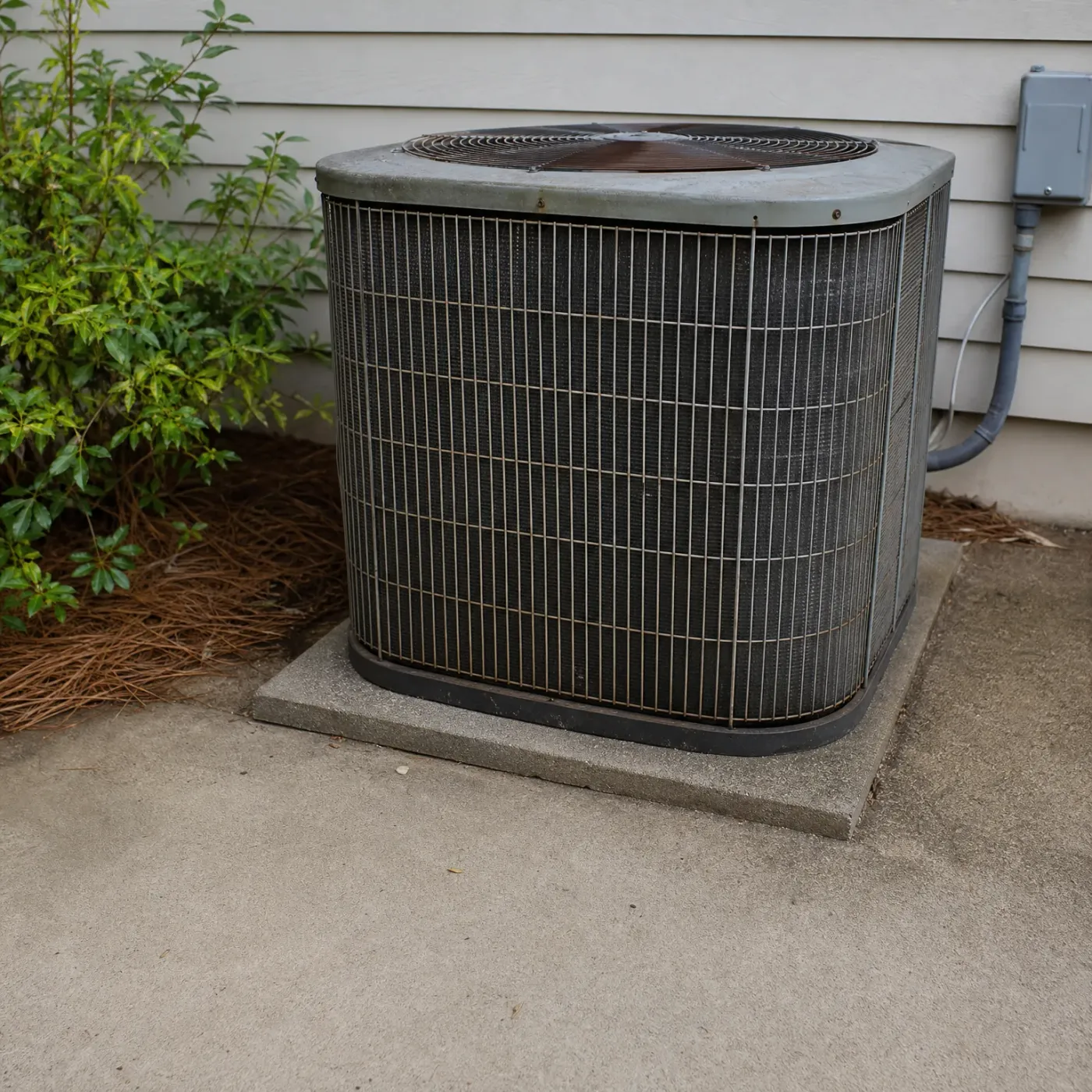
An air conditioner running right cycles on, pulls humidity down with the temperature, and shuts off until the house needs it again.
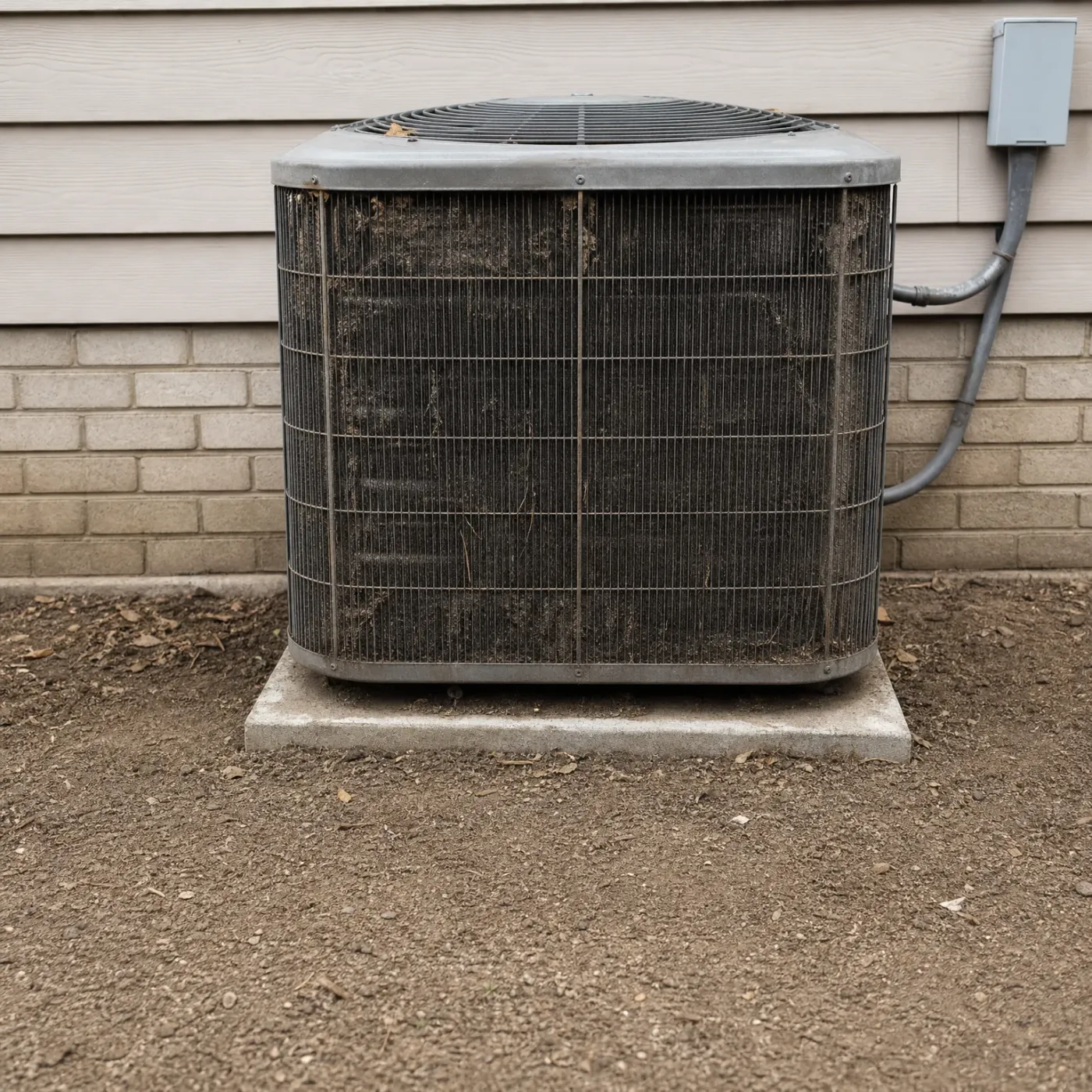
A grille this dirty blocks airflow across the coil, so the unit runs longer and pulls less moisture out with each cycle.
A dew point measures how heavy the air actually feels, and NOAA data puts the Colorado summer average at 42°F across June, July and August. That's dry air by any measure. At that level, your skin feels the heat but not the stickiness, and your air conditioner isn't fighting much moisture to begin with. It cools the house down and the coil pulls out what little water vapor is there without much effort. You'd notice the difference if you ever travel somewhere humid in summer and come home: Colorado air dries out fast once the sun's up, and your AC is working with that, not against it.
NASA POWER T2MDEW county cells weighted by homes
Why does one room still feel damp after the AC runs
If it's the basement, or a room that sits low in the house, check for a musty smell, windows that fog on the inside, or a feeling in the air that doesn't match what the thermostat says. Wood doors that stick, or a damp patch on a wall or in a corner, point the same direction. Your air conditioner cools the whole house evenly, but it can't do much for a space that holds onto moisture on its own. Left alone, that kind of damp spot is where mold gets a start, and it can spread to flooring or furniture nearby before you notice it.
The box fan does nothing but move the heat around. It's past eight and still bright out, June light coming low through the window, and the upstairs bedroom is holding the day's heat like it doesn't want to let go. You can feel how dry it is, your lips, the skin on your hands, but that doesn't make the room any easier to sleep in. Somewhere below, the AC kicks on and runs, and you can hear it through the floor. It'll bring the temperature down eventually. The air in here will stay thin and dry the whole time, no stickiness to it at all, just heat sitting in a room that hasn't caught up yet.
Power costs 15.69 cents per kilowatt-hour statewide
At 15.69 cents per kilowatt-hour, running your air conditioner longer than it needs to shows up on the bill. A dirty filter or a low charge makes it cycle more to pull the same heat out, so keeping it maintained costs you less than letting it struggle.
EIA-861 2025 statewide residential average
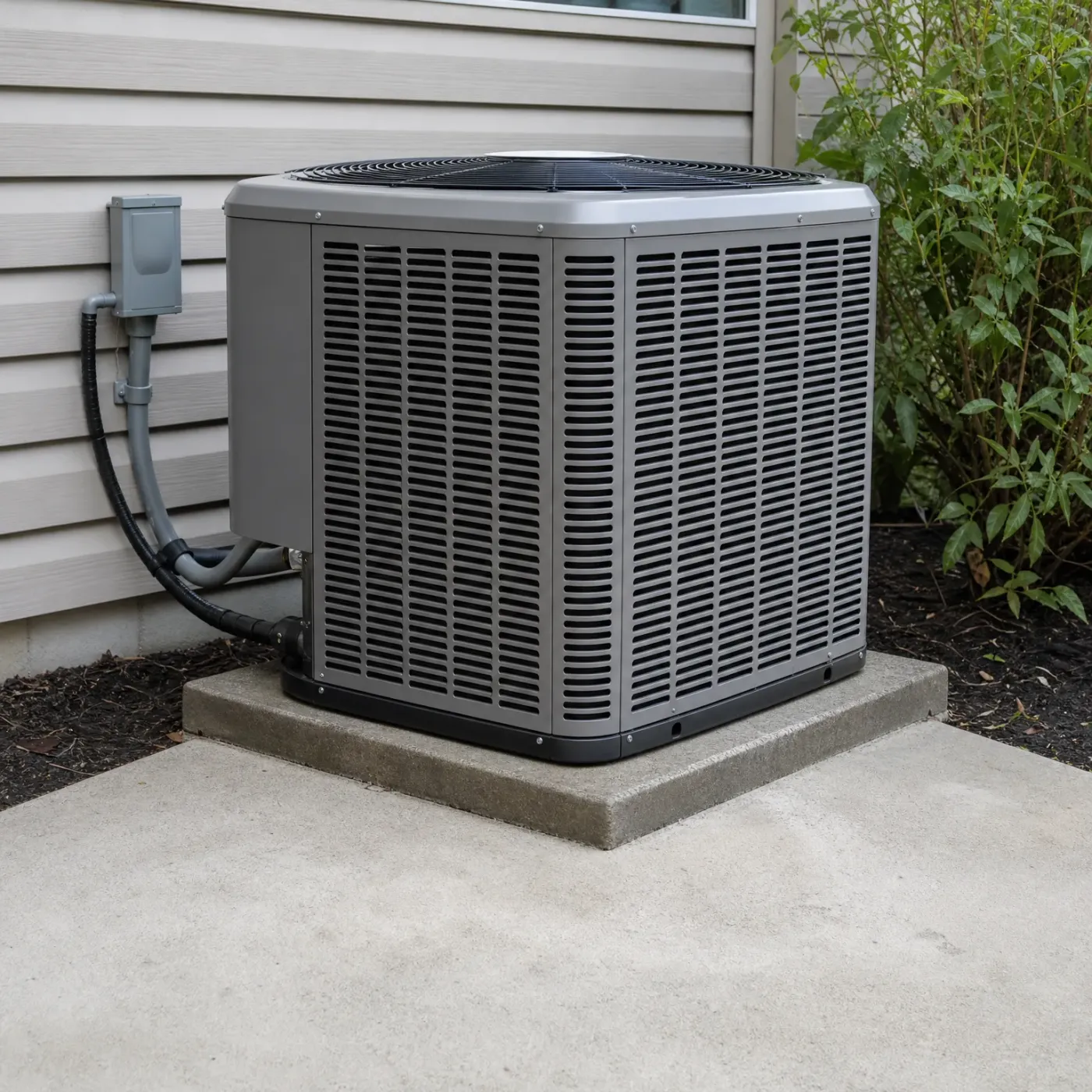
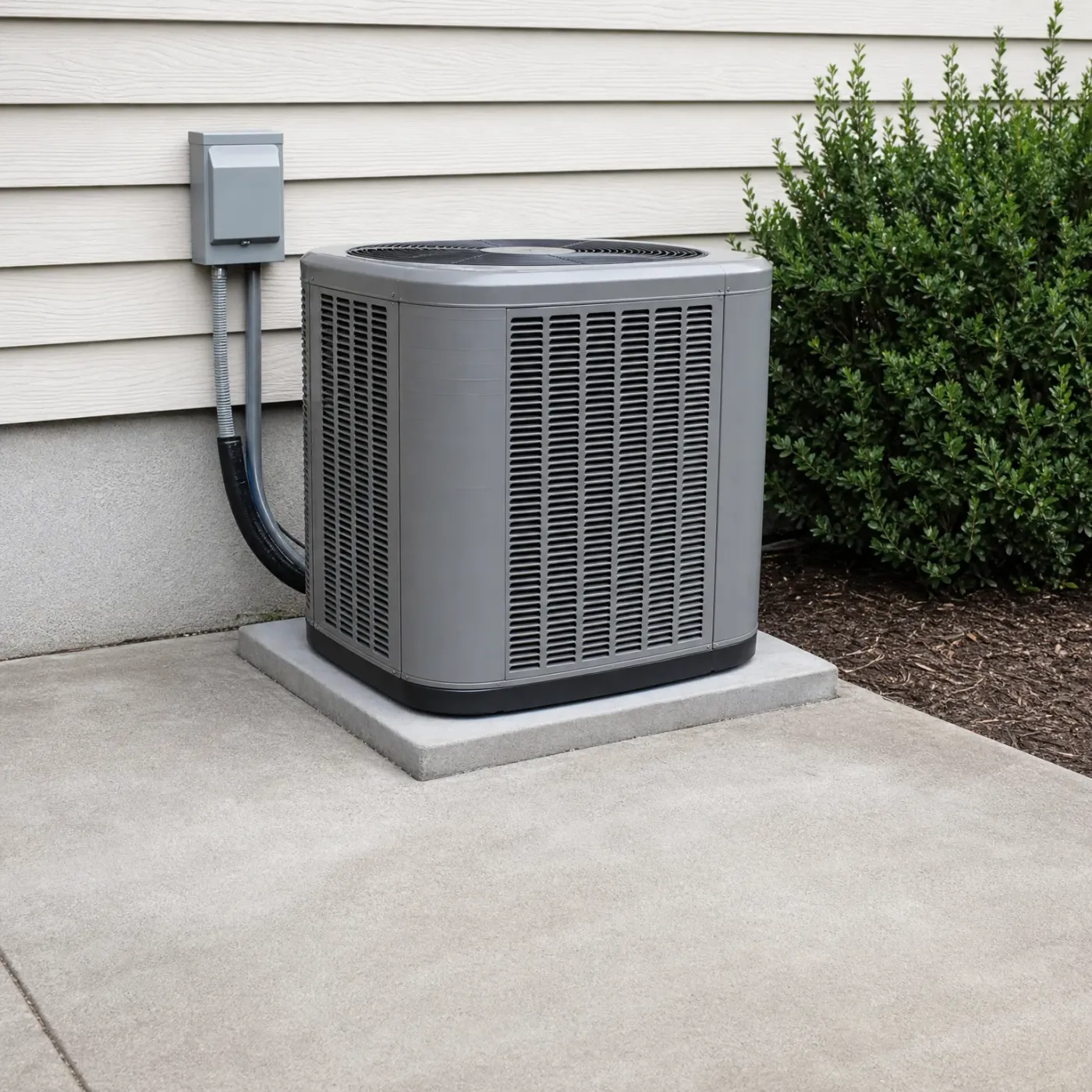
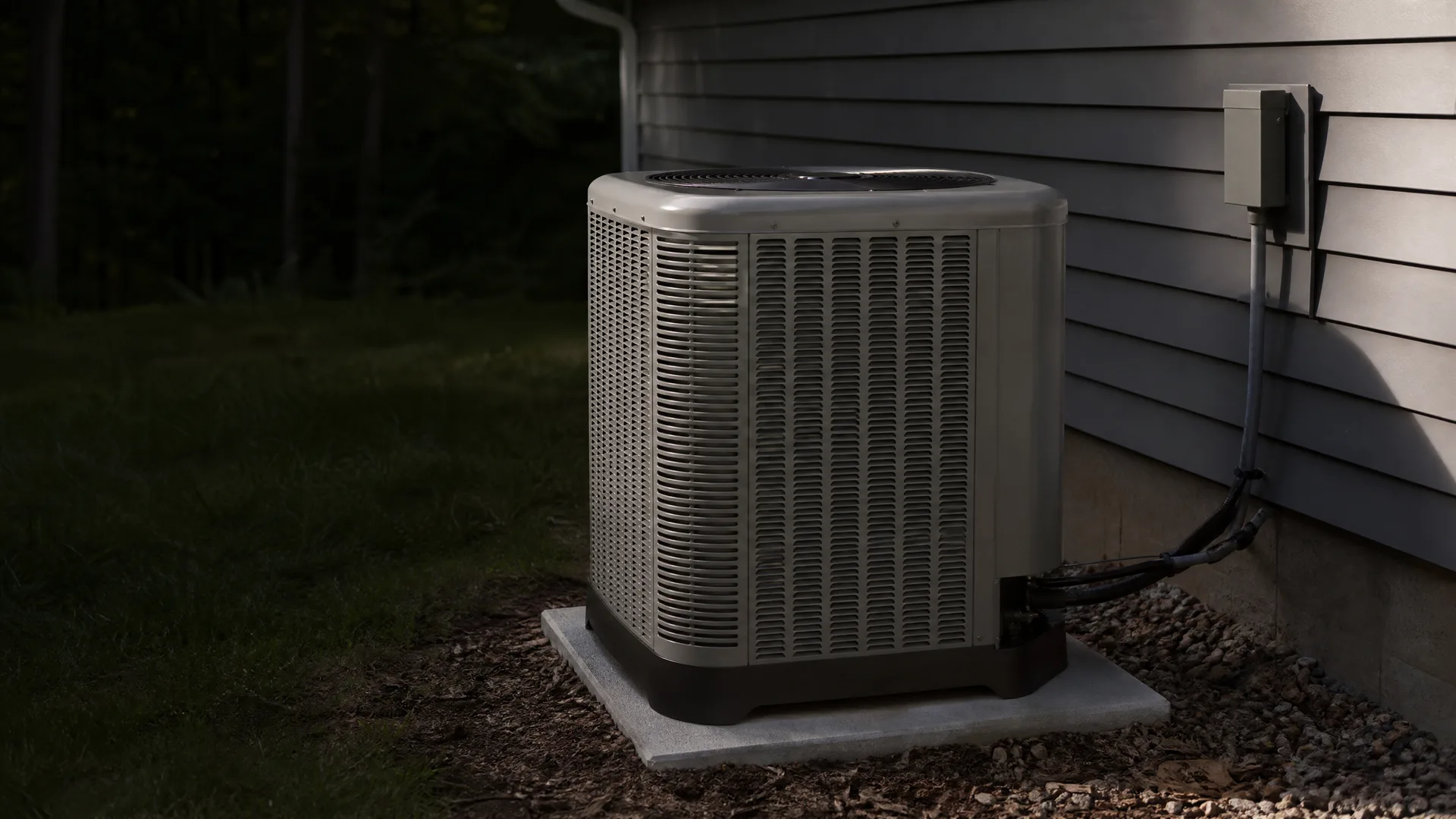
Clean coil, normal cycle
This is what a healthy air conditioner looks like outside your house, sitting on its pad with the disconnect box mounted nearby. Air moves freely through the fins, the coil pulls heat and moisture out of the house, and the unit shuts off once it's caught up.
A clogged coil can't keep up
Dirt and grime packed into the fins and wire cage block airflow across the coil. The unit runs longer to reach the same temperature and pulls less moisture out while it does. A contractor who installs your new unit can also point out when the outdoor coil needs cleaning.
Most Colorado homes don't need a second machine for this
Your air conditioner already handles humidity for most of the house, most of the year. The exception is a basement or a low room that stays damp or musty after the AC has cycled off. That's a local problem with a local fix, not a sign your whole system is falling short.
If you've checked for the signs and one spot in your house still doesn't add up, it's worth getting a straight answer instead of guessing. A contractor who knows Colorado homes can look at that room, tell you whether a standalone dehumidifier makes sense there, and size it to the space instead of the whole house. That saves you the work of calling around and explaining the same problem more than once.