Tell us about the job
Takes about a minute. No obligation.
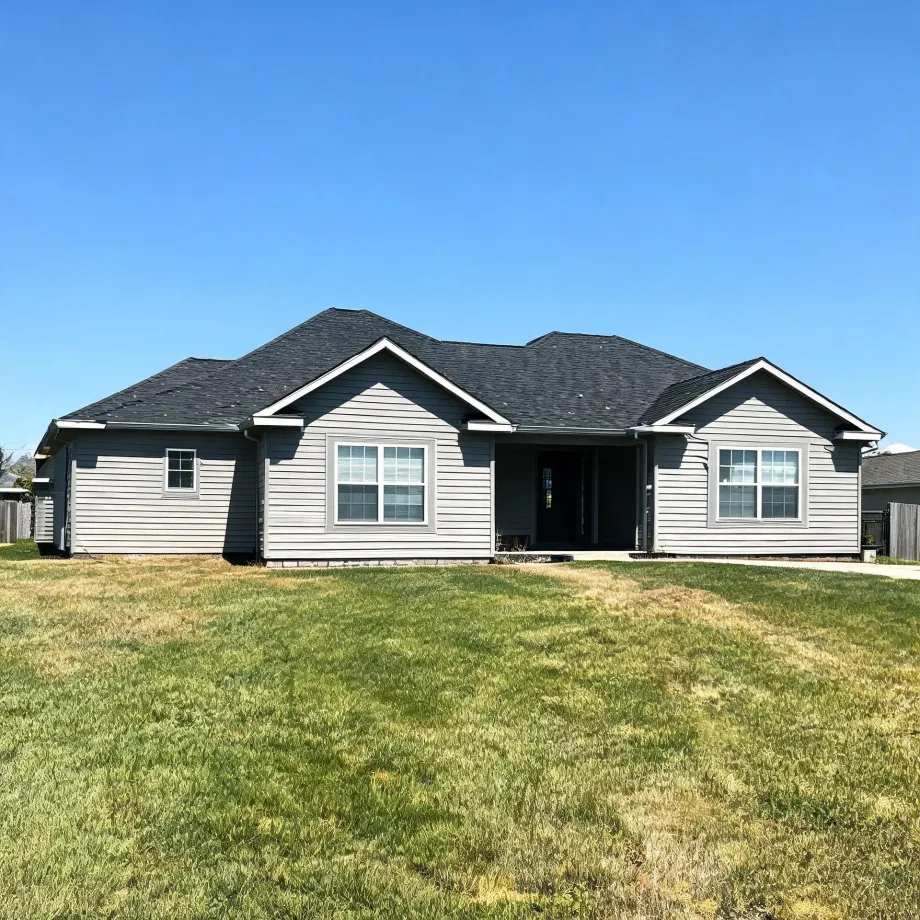
Homes in Douglas County, CO have essentially no cooling season — no month of the year is warm enough to call for it. A compressor that never cycles through a cooling season never builds up the starting and stopping wear that shortens one in a hotter climate. When a contractor diagnoses a failed compressor here, accumulated runtime is off the list. They are looking at age, a manufacturing defect, or damage from a problem unrelated to cooling load. That narrows the diagnostic path, but it also means a homeowner should be skeptical of any repair quote that prices for heat-stressed components the system was never asked to produce.
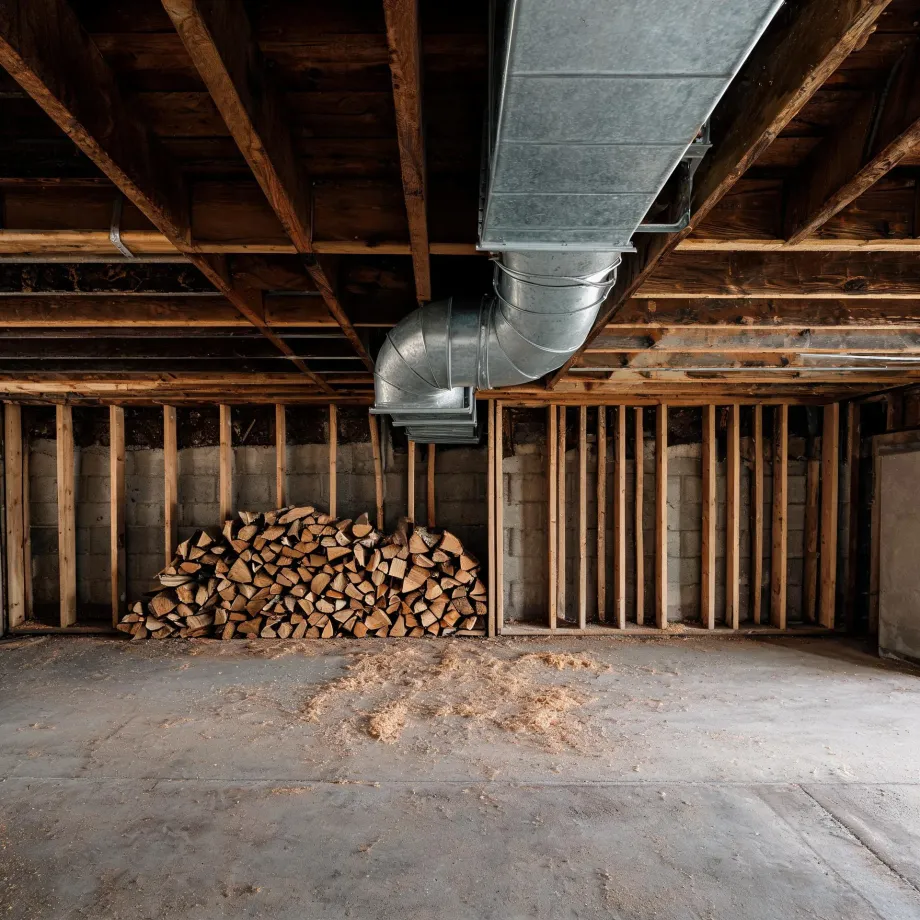
Half the homes in Douglas County, Colorado were built in 2002 or earlier (2020-2024 ACS 5-year). That puts much of the county's housing in a different position than stock where the building and the equipment have grown apart over generations. A contractor who opens a failed unit here is dealing with a parts and refrigerant question, not a ductwork or structural constraint the house itself has imposed. What decides the repair scope is what the opened system actually contains: worn contactors, a failing capacitor, a compressor drawing the wrong current. The house, in most cases, is not what made the job harder.
The Parts of a Central AC a Contractor Checks First
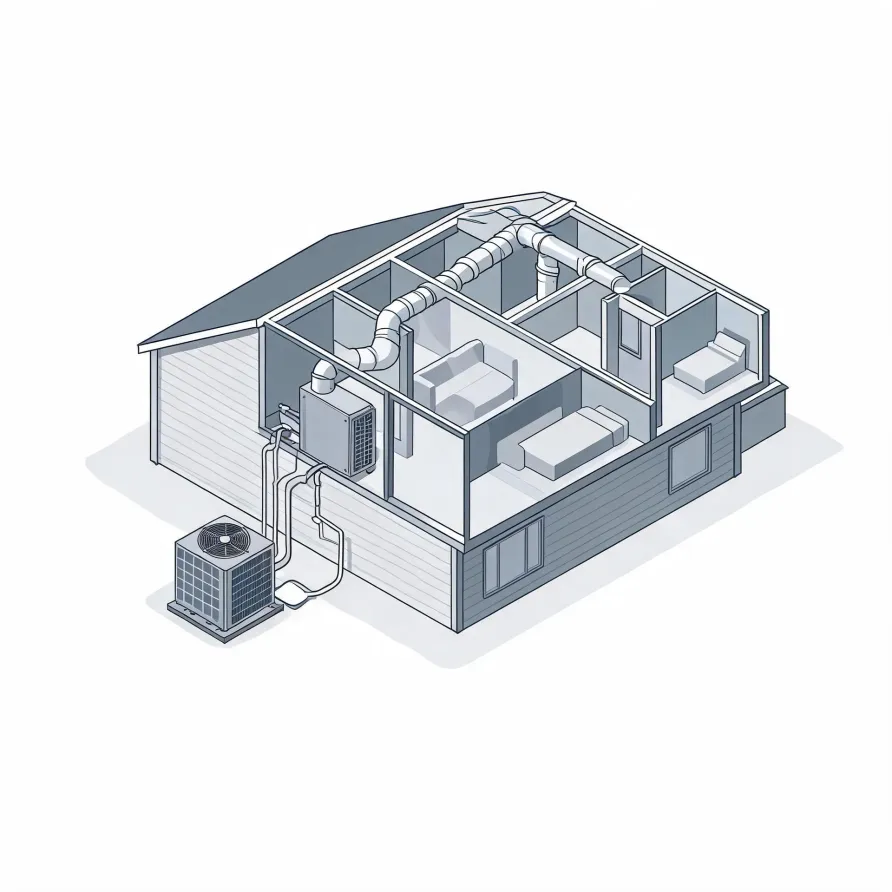
The outdoor condenser unit sits outside the house, usually on a concrete pad at the side or rear. It holds the compressor and the condenser coil, and together those two pieces do the heaviest work. When either one fails, the system runs but produces no cooling, or shuts down entirely.
Inside, the air handler or furnace cabinet holds the evaporator coil and the blower. The evaporator coil sits in the airflow path and is where refrigerant absorbs heat from the house. The blower pushes that air through. The refrigerant line set connects the two cabinets, and the thermostat tells the whole system when to run.
The drawing shows the general layout of a central AC system, and a licensed contractor determines which components apply and what condition they are in for your specific house.
Get matched in Douglas CountyDouglas County, by the numbers
353 severe weather events were recorded in Douglas County, Colorado between 2015 and 2024.
NOAA National Centers for Environmental Information, Storm Events Database, bulk CSV export, events 2015-01-01 through 2024-12-31.Half the homes in Douglas County, Colorado were built in 2002 or earlier (2020-2024 ACS 5-year).
U.S. Census Bureau, 2020-2024 American Community Survey 5-Year EstimatesDouglas County, Colorado holds 144,432 housing units (2020-2024 ACS 5-year).
U.S. Census Bureau, 2020-2024 American Community Survey 5-Year EstimatesOwners occupy 77.4% of the occupied homes in Douglas County, Colorado (2020-2024 ACS 5-year).
U.S. Census Bureau, 2020-2024 American Community Survey 5-Year EstimatesCodes & Standards Governing Central AC Repair in Douglas County, Colorado8 sourced rules and standards
What the repair work looks like in Douglas County
Split-system central air conditioners rated below 45,000 Btu/h manufactured on or after January 1, 2023 must meet a federal minimum of 13.4 SEER2.
Split-system central air conditioners rated at or above 45,000 Btu/h manufactured on or after January 1, 2023 must meet a federal minimum of 13.4 SEER2.
Split-system central air conditioners manufactured between January 1, 2015 and December 31, 2022 had to meet 13 SEER, the metric that preceded SEER2.
Single-package central air conditioners manufactured on or after January 1, 2023 must meet a federal minimum of 13.4 SEER2.
Space-constrained central air conditioners manufactured on or after January 1, 2023 must meet a federal minimum of 11.7 SEER2.
Federal efficiency standards for split-system central air conditioners and heat pumps are set on each certified combination of outdoor unit and indoor coil rather than on the outdoor unit alone.
Residential and light commercial air conditioning and heat pump systems assembled in the field, including mini-splits and unitary systems, may not be installed on or after January 1, 2025 using a refrigerant with a global warming potential above 700.
A field-assembled system whose specified components were all manufactured or imported before January 1, 2025 carries no installation compliance date under the refrigerant restrictions and may still be installed.
Severe Weather Events in Douglas County
Extreme weather puts direct stress on cooling equipment, driving cycles of heavy use, sudden shutdowns, and strain on components that then show up as repair calls. How much of that pressure a system faces depends on where it sits, which is why local weather history belongs on a page about AC repair.
353 severe weather events, 2015–2024. Source: NOAA National Centers for Environmental Information, Storm Events Database.